How Garbage Bin Rental Works—and Why It Saves Time and Money
When timelines matter and debris piles up fast, garbage bin rental offers a simple, predictable solution. A roll-off truck delivers a sturdy container to your home, jobsite, or commercial property, you load it at your pace, and the provider hauls everything to an approved facility. With options that range from compact 10-yard bins to expansive 40-yard containers, it’s easy to match capacity to your scope—whether you’re clearing a garage, remodeling a kitchen, replacing a roof, or managing a large demolition. Transparent pricing typically bundles delivery, pickup, disposal, and a weight allowance, giving you cost control while eliminating multiple trips to the landfill.
Booking is straightforward: estimate your debris volume, confirm what materials you’ll discard, choose a size, and set a delivery window. Before the truck arrives, plan a placement spot with enough clearance for the roll-off to safely drop and later retrieve the container. Driveways are the most common location, and a few sheets of plywood can protect concrete or pavers. Many providers offer same-day or next-day delivery across Missouri, plus flexible rental periods so you can complete your work without rushing. If your schedule changes, extending a rental is usually as easy as calling ahead.
Smart planning keeps costs in check. Each container includes a weight cap; exceeding it can add overage fees, and mixing prohibited items can trigger contamination charges. The right size and a clean, accessible placement area help prevent trip fees if the hauler can’t safely service your bin. For heavy debris like dirt, concrete, or brick, smaller containers are the safest choice because of road weight limits—even if it feels counterintuitive. On busy construction sites, a single well-placed roll-off can streamline workflows by centralizing waste, reducing clutter, and minimizing downtime spent hauling materials instead of building.
Good site etiquette matters, too. Staging the bin to avoid blocking sidewalks or sightlines keeps neighborhoods happy and meets municipal codes. Loading evenly within the marked fill line reduces the risk of spillage and ensures a secure tarp. In windy or wet weather, covering the bin prevents debris blowout and waterlogged waste that adds unnecessary weight. In Missouri’s tight residential streets and active commercial corridors, this attention to placement and loading makes an immediate difference in safety, compliance, and overall project speed. For statewide coverage with fast turnaround, homeowners and contractors can explore garbage bin rental to match the right container and schedule to their workload.
Choosing the Right Dumpster Size and Debris Type for Your Project
Selecting the right size is the key to a smooth, cost-effective experience. A 10-yard roll-off fits compact spaces and is ideal for small cleanouts, bathroom renovations, or patch roofing jobs. Step up to a 15-yard when tackling a partial basement purge or a modest kitchen refresh. The versatile 20-yard works well for mid-sized remodels, whole-home decluttering, and light construction tasks. Larger projects—multi-room remodels, estate cleanouts, or sizable contractor jobs—typically benefit from 30- or 40-yard containers. While exact dimensions vary, the footprint of a roll-off is driveway-friendly; just ensure adequate clearance for delivery and the container’s rear door swing for safe loading.
Debris type is just as important as volume. Heavy materials like concrete, brick, block, asphalt, dirt, and roofing tear-off are dense and reach weight limits quickly. For these loads, smaller bins (often 10- or 15-yard) are recommended to protect your driveway and avoid overage fees or unsafe hauling conditions. Mixed construction and demolition waste—wood, drywall, flooring, and trim—often fits efficiently in 20- to 30-yard sizes. Household junk from garages and attics can be bulky but relatively light, so a 15- or 20-yard is often ideal. Yard waste from seasonal cleanups—branches, leaves, and brush—also works well in mid-sized containers, especially if you’re consolidating several trips into one drop-off and pickup.
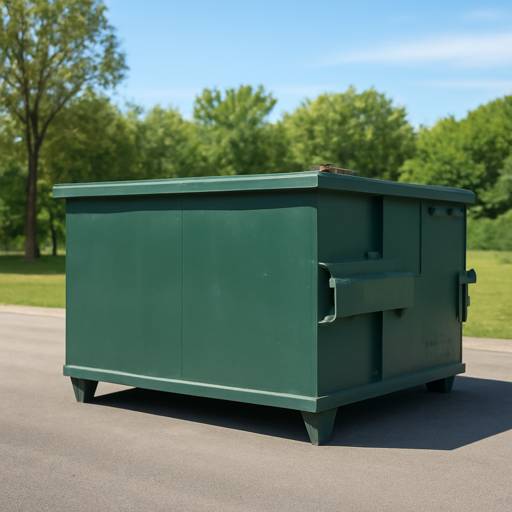
Account for prohibited items before loading. Most providers restrict hazardous waste such as paint, solvents, chemicals, motor oil, and batteries. Appliances containing refrigerants, tires, and certain electronics require special handling or separate disposal channels. Planning these items upfront helps you avoid contamination fees and ensures your materials go to the correct facilities. If you’re unsure, ask for a debris list and clarify the best option for unique materials like treated lumber, railroad ties, or sod mixed with dirt.
Real-world scenarios illustrate the difference the right size makes. A Kansas City kitchen remodel that replaced cabinets, countertops, drywall, and flooring ran smoothly with a 20-yard bin staged off the driveway; the rear door made it easy to walk in heavier sections without risky lifting over the side. In St. Louis, a two-layer roof tear-off paired well with a 30-yard container to handle shingles, underlayment, and wood decking with fewer hauls. For a Columbia basement cleanout, a 15-yard hit the sweet spot—large enough for old furniture and shelving, but not so big that driveway space was tight. Thoughtful sizing and debris planning keep projects on time, under budget, and free from surprises.
Local Rules, Permits, and Best Practices Across Missouri Cities
Regulations can vary between municipalities, so understanding local requirements keeps your project compliant. If a bin must sit on a public right-of-way—such as a street, alley, or sidewalk—many Missouri cities require permits and safety measures like reflective barricades. St. Louis often mandates right-of-way permits with clear placement guidelines, while Kansas City may specify minimum distances from intersections, hydrants, and driveways. In Springfield, Columbia, Jefferson City, and surrounding communities, permits can be straightforward but time-sensitive; build in two to three business days to allow for processing and confirm whether weekend work affects timelines. A quick call to Public Works or checking the city website can clarify the latest rules.
On private property, a few best practices go a long way. Choose a flat, hard surface with room for the truck to maneuver and the bin’s door to swing fully. Wood planks spread weight and help protect asphalt, pavers, or decorative concrete from scuffs. Watch for overhead power lines, low tree branches, and tight gates. Factor in Missouri’s changing weather: spring storms and winter snow can saturate debris, adding weight and increasing disposal costs, so consider tarping during rain or placing the container on higher ground. If the driveway slopes toward a garage, angle the bin so water drains away from your home.
Neighborhood and HOA rules may influence scheduling and placement. Confirm delivery windows, allowable work hours, and any restrictions on street placement. On narrow streets in older districts or dense neighborhoods, coordinate with neighbors and set out cones for visibility. Morning drop-offs reduce conflicts with school traffic and routine trash pickup. Keep the area around the bin clear of vehicles and materials to avoid service delays; blocked access is a common cause of trip charges.
Responsible disposal starts at the source. If your goal is to recycle more and landfill less, separate materials where feasible: clean concrete, metals, and yard waste often qualify for recycling or diversion credits. Contractors pursuing sustainability targets or LEED objectives benefit from clean streams that improve diversion rates. Donate usable cabinets, doors, and fixtures to local reuse centers before loading the bin. While filling, break down bulky items, load evenly front-to-back, and keep waste level with the top rail—heaping above the line is unsafe for transport. When you’re done, schedule pickup and do a quick sweep or use a magnet to collect stray nails; it protects tires and leaves the site tidy. With these practices, roll-off dumpster use stays safe, legal, and efficient across Missouri’s diverse neighborhoods and jobsites.

Granada flamenco dancer turned AI policy fellow in Singapore. Rosa tackles federated-learning frameworks, Peranakan cuisine guides, and flamenco biomechanics. She keeps castanets beside her mechanical keyboard for impromptu rhythm breaks.